Reserving Comment
Diesel tops £2 as Trump threatens US exports and Europe weighs emergency reserves


Diesel prices have broken through the £2-a-litre barrier at many UK forecourts.
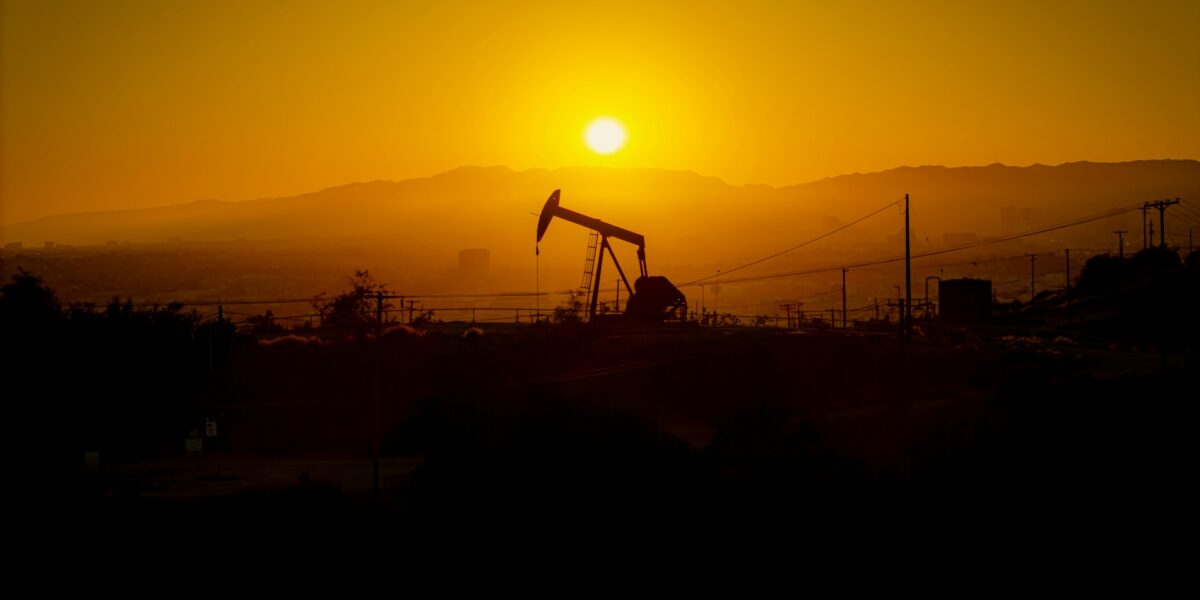
Britain faces the prospect of losing a major source of imported fuel if Donald Trump follows through on threats to restrict US diesel exports.
European ministers are expected to release some reserves in the coming days to placate Trump, who is under pressure in the run-up to the mid-term elections amid steep rises in US fuel prices.
Trump and the pumps
The average UK diesel price surpassed the average record pump price this week, with a price of 199.09p recorded in June 2022 left in its wake.
The latest figures mean diesel has risen by almost 40% since the end of February, adding around £31 to the cost of filling an average family car.
Prices in many areas are now above £2 per litre; however, there are significant regional differences between forecourts.
The immediate crisis is being driven by disruption to global refined-fuel supplies following the conflict involving Iran, while continuing international boycotting of Russian oil since its invasion of Ukraine.
While many international players, including China and India, are still buying Russian oil, their refining has seen significant disruption from Ukraine attacks.
Along with rising seasonal demand, pressure on international oil supplies has reached a high, leading to significant and ongoing market price increases.
October is also a particularly difficult time for diesel markets, as northern hemisphere agriculture enters harvest season and demand for heating fuel increases ahead of winter.
China has now added another complication, with Chinese refiners suspending October exports of refined oil products, including diesel, in order to prioritise domestic supplies.
Reuters reports that the decision is expected to further tighten global markets.
Exposed
The UK has become increasingly dependent on imported diesel.
Around 55% of the road diesel used in Britain is now imported, compared with just 14% in 2003.
The closure of the Grangemouth and Lindsey refineries in 2025 reduced UK refining capacity by almost a quarter, increasing reliance on overseas supplies.
Subsequently, the US has become Britain’s largest individual source of imported diesel.
About 31% of UK diesel imports came from the US in 2025, up from 18% in 2024, according to industry figures.
Official government data showed that 35.5% of UK diesel imports came from the US in 2024.
The change reflects several factors, including the loss of Russian diesel following sanctions after Russia’s invasion of Ukraine and the UK’s shrinking domestic refining capacity.
Imports from the Netherlands and Belgium have also become increasingly important.
The irony is that Britain is not simply short of refining capacity overall: UK refineries produced enough petrol to exceed domestic demand in 2024, while meeting only 54.9% of road-diesel demand.
Diesel, the fuel of choice for the transport and logistics sector and still the largest share of private vehicles on UK roads, remains in high demand as supplies are squeezed.
Trump pressure
President Trump has said he supports restricting US diesel exports as his administration seeks to bring down domestic fuel prices.
The issue has now escalated into a transatlantic dispute.
Reuters reports that the US administration has pressed Germany and France to release emergency diesel inventories, warning of a potential US export ban if they do not.
European Commission officials, as well as France, Germany, Italy, Ireland and Britain, have been involved in discussions about whether stocks should be released.
Trump has also said he may ask European countries to release their diesel reserves, while Treasury Secretary Scott Bessent has urged European partners to make additional supplies available immediately.
For Washington, the domestic political pressure is significant, with the US midterm elections approaching and American farmers, hauliers and businesses facing sharply higher diesel costs.
Europe reserves
The strategic dilemma is straightforward: releasing stocks could put additional diesel onto the market and potentially ease prices, but it also reduces the safety buffer available if the underlying supply crisis becomes worse.
Such releases would, at best, provide only a very short-term easing of pressure on pump prices, and would undoubtedly lead to a stronger bounce-back in the longer term.
With instability in the Middle East seeing no signs of easing, and Trump making further military threats to Iran,m and the Russia-Ukraine war still with no end in sight, European countries are strategically wary of releasing important reserves.
The UK is required, as an International Energy Agency member, to maintain oil stocks equivalent to at least 90 days of net imports.
However, that requirement covers oil stocks collectively and does not mean Britain has 90 days of readily available diesel sitting in tanks.
The country’s diesel position is considerably tighter.
While some countries like Spain and Germany have nearly 400 days’ worth of supplies, the UK only has about 42.
The danger of using emergency stocks too early is that governments could find themselves with reduced protection if US exports are subsequently restricted, Middle Eastern supplies remain disrupted or further refining capacity is lost.
The IEA has already demonstrated that strategic stocks can be used to respond to major disruption.
In March, its members agreed to release 400 million barrels of oil, the largest collective stock release in the organisation’s history.
Longer-term warning
Fuels Industry UK chief executive Elizabeth de Jong has warned that the crisis demonstrates why Britain cannot rely too heavily on overseas production.
“UK refineries provide critical national resilience,” she said, warning that further refinery closures would increase dependence on international supply chains.
Transport minister Keir Mather said the UK had a wide range of fuel sources, and remains resilient.
He told Sky News: “I want to reassure people this morning that the United Kingdom has got a diverse range of supply when it comes to diesel.
The minister said the UK was working with the US, the IEA and European partners to maintain supply and stressed that motorists should not be concerned about shortages.
In your pocket
For motorists, however, the immediate problem is cost rather than availability.
For the wider economy, the implications are considerably greater: diesel powers HGVs, vans, buses, agriculture, construction and much of the logistics network.
Elevated prices are already leading to higher production and transport costs – food, deliveries, manufacturing and services – in turn leading to inflationary pressures and rising cost of living.
If US exports are actually curtailed, Britain could also find itself competing with other European and global buyers for increasingly scarce supplies.
The current crisis therefore exposes a longer-term strategic question: how much diesel-producing capacity should the UK retain domestically, and how much risk is acceptable when relying on global supply chains?
Despite the move to greener technology, significant cuts over the last 15 years have left the UK in a precarious position in an unstable world.