Taxing Matters
Alan Gott from FBTC provides our seventh extract from the new 'Ultimate Guide To Running A Driving Instructor Business'


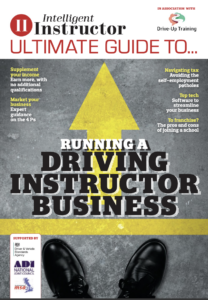
Intelligent Instructor is proud to have brought together industry and business experts to produce ‘The Ultimate Guide to Running a Driving Instructor Business’.
This FREE 64-page guide, in association with Drive-Up Training, will support you in running a business the way you always dreamt it could be.
Over nine weeks, we are publishing a selection of the articles in this guide.
This week, Alan Gott, Manager of FBT Accounting Services, untangles the accounting and taxing knots of running your driving school.
Taxing Matters
Navigating tax matters can feel like driving on a complicated road network.
Just as you need a reliable satnav to tell you where to go, a tax and accountancy
service will steer you through financial obligations and ensure you reach the desired destination smoothly.
While we try to avoid the potholes we see on our roads and encounter in our businesses, expert guidance can help you make sense of some of the responsibilities that come on the self-employment journey. Yes, it brings with it a world of opportunities and freedom, but also developments such as Making Tax Digital. This is set to be mandated from April 2026 onwards, and all self-employed businesspeople will have to deal with this shake-up of the tax industry.
Fear not, though. With the proper knowledge and tools, navigating the complexities
of taxation can be a streamlined process.
DIY or accountant?
Deciding whether to prepare your own tax returns or hire an accountant is a decision only you can make. Just like hiring a driving instructor helps students pass quicker and be safer on the road, hiring an accountant can help reduce tax liabilities, keep tax returns accurate and keep HMRC at bay.
Many top firms – FBTC included – will also act as advisors and help you to solve business-related problems. The weigh-up, of course, is the cost of such a service versus going it alone.
Opting for the latter, the first step for any self-employed individual is understanding their tax obligations, including income tax, national insurance and potentially corporation tax, depending on the legal entity. The good news is that accounting software is a game-changer for the self-employed, saving time, reducing errors, and providing a clear picture of your business’s financial health.
Otherwise, make sure you register for self-assessment and open a personal tax account with HMRC. This is the system HMRC uses to collect income tax, and you should be keeping detailed and accurate records of all financial transactions, including receipts and invoices. It’s also worth familiarising yourself with allowable deductions to reduce what is tax deductible out of your income; for example, on-the-road costs, like fuel, parking vehicle maintenance and insurance, as well as business expenses, such as marketing, franchise fees and memberships to professional bodies. Midnight on 31st January is the deadline for filing your annual tax
return online.
Conversely, if you do decide to hire an accountant, their qualifications and experience in dealing with small businesses – and the specifics of the driver training industry – are important. So is how they interact with you and hiring an advisor that’s personable, with whom you can form a relationship, can be hugely beneficial. Choose someone who communicates clearly and regularly to keep you informed of your financial status.
Taxation and accountancy remain critical aspects of self-employment that require careful attention and proactive management
Achieving financial success
We talked about potholes. So, what are the key ones to swerve? Most involve, unsurprisingly, not keeping a close enough eye on your finances, from inadequate financial planning, to underestimating your expenses, issues with cash flow, or failing to stay on top of tax obligations.
It’s easy to overlook the full range of costs involved in running a business, from vehicle maintenance to insurance and office supplies, but a solid financial plan should ensure you can cover unforeseen expenses. You should also keep tax compliance in mind, because failing to do so can lead to a painful shortfall, or penalties and interest charges.
Changes and challenges
It remains to be seen what changes will come as part of the Spring Budget, when the Chancellor delivers it, but there are always predictions and prompts beforehand. Keeping your eyes and ears open for what’s to come is important, for example potential adjustments to income tax bands and rates that could affect net income. Listen out for any new allowances or changes to existing ones that could impact tax liabilities and come into effect for the next tax return you complete.
Taxation and accountancy remain critical aspects of self-employment that require careful attention and proactive management. By understanding your tax obligations, maintaining accurate records, utilising accounting software, maximising deductions, and seeking professional advice when needed, you can effectively manage your finances and focus on growing your business. With the right approach, tax season can become a manageable and stress-free experience.

Alan Gott
Manager, FBTC Accounting Services
Next week, we look at signing up for affiliate schemes that allow you to gain extra income for little effort.